


Alive in Every Thread: Alpine Wool and Wild Color

Join us as we explore handspun wool and natural dyeing traditions of Alpine villages, tracing the journey from mountain pasture to hearthside spindle, from plant-filled dye kettles to weatherproof cloth. Discover how altitude, seasonal rhythms, careful hands, and inherited knowledge create yarn with character, color with story, and garments that outlast storms, fashions, and generations, while inviting you to listen, learn, and try gentle, time-tested methods at home today.

Fleece Shaped by the High Country

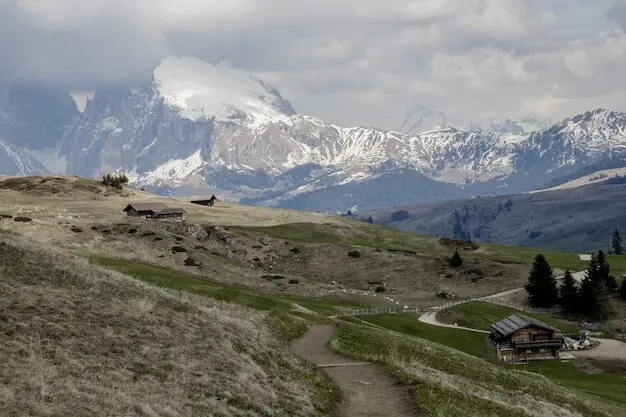
Cold nights, steep meadows, and careful shepherding sculpt fiber with springy crimp, generous lanolin, and sturdy staple, perfect for enduring sleet and sun. In these valleys, families remember each flock by feel alone, skirting fleeces on stone walls after shearing festivals, then washing with snowmelt that leaves a whisper of protective oils. Every curl carries altitude in its memory, and every basket hints at weather, forage, and quiet care.

Sheep of the Heights

Valais Blacknose with charismatic faces, Tyrolean Bergschaf with resilient locks, and Engadine sheep bred for endurance each gift distinct textures and strengths. Fleece from wind-brushed ridgelines gains loft and warmth, while valley-grazed staples lengthen with mild seasons. Elders can predict how a coat will spin by pinching along the shoulder and thigh, reading crimp like contour lines on a map, then reserving the finest for cherished socks and shawls.

Season, Forage, and the Hand

Spring shearing often delivers bright, airy staples sprinkled with meadow whispers, while late-summer clips can hold sunbaked character and sturdy tips. Alpine forage—herbs, flowers, and mountain grasses—adds subtle scent and health to the coat. Skirting removes burrs and thistles gathered along goat paths, and a patient hand shakes free chaff before washing. The process becomes a quiet conversation with landscape, season, and the animal’s steady generosity.

Washing with Snowmelt Calm

Cold-water soaks tame dust without stripping every trace of lanolin, preserving glide for drafting and weather-beading later. Some households still practice gentle suint fermentation, coaxing the fleece to self-clean in a living bath. Rinses are carried out under eaves or by a trickling trough, never rushing, always respecting fiber memory. The result is wool that feels alive, ready to twist, receive color, and hold warmth faithfully.

Spinning by Hearthlight

On winter evenings, the spindle hums like a kettle, and a low wheel turns beside bread rising by the stove. Stories ride the drafting triangle; rhythm steadies breath, and laughter keeps pace with twist. In village rooms called spinning parlors, neighbors once traded techniques and news, counting treadles between tales of weather and weddings. Skill grew slowly, as sure as snow piling on ledges, until fingers learned to spin without looking.

The Patient Whirl of the Spindle

A drop spindle fits a pocket and follows the path to high pastures, twisting fiber while sheep graze. Draft, park, and twist become second nature, especially when wind tests balance and focus. Spinners learn to read the staple with a glance, easing fibers into alignment before releasing twist’s small miracle. Each cop forms a quiet archive of moments outdoors, hours inside, and the hand’s conversation with wool’s changing temperament.

Wheelwork Beside the Stove

The Saxony wheel purrs as wood warms and tea steams. One person cards batts while another draws a fine, even single, and a child counts treadles to the rhythm of an old song. Tension becomes a language: too tight and the wool snaps, too loose and it floods the flyer. Over months, yarn grows on bobbins like stacked seasons, destined for socks, shawls, and weather-brave cloth that remembers every footfall.

Color Lifted from Stone, Bark, and Meadow

Dye pots glow like sunset against snowfields, welcoming weld, woad, walnut, onion skins, larch bark, and carefully gathered lichens. Water softened by snowmelt invites brilliant uptake, while alum, cream of tartar, and iron modifiers guide shade and fastness. Patience is the true flame: slow heating, quiet stirring, and time to rest. Colors emerge with story—yellows for joy, blues for sky memories, browns for forest shelter, and purples whispered from rock.

Sunlit Yellows from Weld and Broom

Reseda luteola and dyer’s broom deliver luminous clarity, especially on well-mordanted wool. Fibers bathe in alum and gentle heat, then steep with plant bundles that scent the kitchen like fields in June. Cream of tartar softens hand and helps brilliance. A grandmother’s note warns never to rush the simmer, and always to lift yarn slowly through air, letting dye greet cold breath before reimmersion. The result brightens winter shawls with summer’s echo.

Blues Raised from Woad Vats

Woad’s alchemy requires trust: reduce, cool, whisper air away, then dip with calm hands. Yarn enters green, emerges yellow, and turns blue while meeting breeze and heartbeat. Villagers once hid vats from drafts, feeding them warmth and kindness like a living thing. Multiple dips build depth without harshness, capturing sky shadows and glacier glints. The first time someone watches the color bloom, silence falls, then laughter arrives like bells across snow.

Weatherproof Cloth: From Loom to Loden

After spinning, yarn marches to the loom, then to the fulling trough where friction and soap transform open cloth into dense, warm fabric. Loden, born of careful walking and brushing, shucks sleet like a determined chamois. Tailors map patterns to grain, preserve movement for hauling wood, and raise a nap that channels raindrops downhill. The result hangs proudly at church doors and market stalls, proof that utility can carry quiet elegance.

Weave Plans that Welcome Shrink

Cloth intended for fulling needs room to move, so spinners target slightly lower twist for loft, and weavers favor sturdy twills with honest spacing. Samples are sacred: measure before, chart after, then calculate shrink across each direction. The first felted swatch becomes a talisman, predicting coat behavior in storms. With practice, makers create cloth that tightens into armor against wind yet keeps breathability, working with weather rather than resisting it blindly.
Fulling with Footsteps and Water

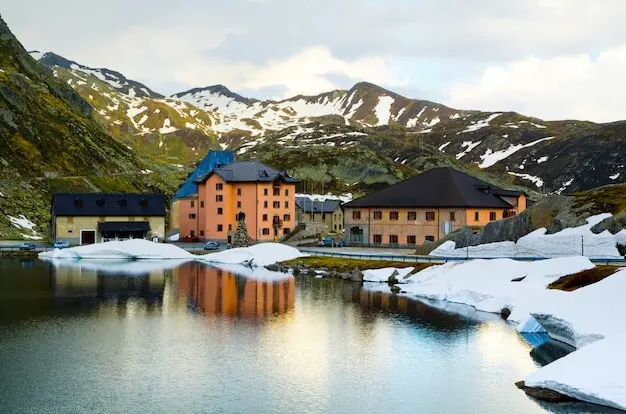
Old mills walked cloth with hammers and songs, while kitchens relied on feet, warmth, and soap. Communities scheduled fulling days alongside baking and mending, turning labor into shared celebration. Beats counted time, preventing over-felting and preserving flexibility for sleeves. When steam curled toward rafters, someone tested drape over a shoulder. The moment density aligned with comfort, work paused for stew, and the cloth rested like a satisfied traveler by the fire.
Cutting, Tailoring, and a Weathered Grace

Skilled hands slide patterns to place seams away from driving rain, lifting extra ease where axe handles rub and backpack straps press. A brushed finish lays nap like shingles, sending water away from the heart. Button choices, patch shapes, and inner facings hold stories: a father’s field pocket, a mother’s emergency thread. Decades later, elbows shine with honest wear, reminding everyone that good cloth is not precious; it is beloved.


Socks as Story Maps

A pair knit for a herder balances endurance and grace: dense soles, flexible insteps, and a path of cables that recalls goat tracks zigzagging scree. The knitter times rows by bell chimes, slipping in a subtle stripe where thunder surprised the flock. After years, darns become landmarks, stitched with contrasting shades from leftover dye. When passed down, these socks teach footsteps, not just stitches, guiding newcomers across stubborn weather and welcome sunshine.

Shawls for Sundays, Scarves for Everyday

Some pieces carry festival brilliance—weld-lit borders, woad-dipped fields, and a walnut shadow that frames faces in winter light. Others work daily, soft from countless wraps, teaching comfort every time cold breath meets wool. Gifts move through families like migrating birds, returning with new stories and mended corners. A crinkled recipe card, stained with dye, might fall from a folded shawl, reminding everyone that warmth is cooked, stirred, and shared generously.

Passing the Needles and the Kettle

Evenings once called neighbors to shared rooms where beginners learned to hold fiber, not fear it. Today, workshops, guilds, and online gatherings echo that welcome, inviting teenagers and travelers alike. Experienced makers trade plant lists, water tips, and respectful harvesting rules. If you hold a family dye secret or sock heel trick, add your voice in the comments, so future hands inherit not only instructions but also courage, humor, and patience.

Honoring Plants, Protecting Places

Sustainable color means learning lifecycles, harvesting lightly, and cultivating when possible—planting weld rows, coppicing broom, and leaving lichen on stone unless storms have already gifted fallen patches. Makers keep journals of abundance and scarcity, aligning projects with seasons instead of markets. When a plant rests, the dyer turns to saved hulls or bark from necessary prunings. Restraint becomes an unexpected teacher, revealing palettes that are kinder, truer, and quietly radiant.

Water, Minerals, and Gentle Exits

Snowmelt, springs, and village wells differ in hardness, shaping dye uptake and hand. Dyers test buckets with strips, then adjust with patience rather than brute force. Exhaust baths tint small skeins, and cool-down water soaks cleaning rags before safe return to soil. Local regulations meet older wisdom in a productive handshake, proving that craft can cherish rivers. The clearest sign of success is trout returning to shadows below the bridge.

Mending as Heritage

A darning mushroom turns a tear into a stage for color, pattern, and memory. Visible mending invites conversation, transforming embarrassment into pride. Children learn that fixing is a celebration of use, not a punishment for clumsiness. Workshops trade spare yarns like heirloom seeds, and photos of patched elbows spark new friendships. Share your own repairs with us, so someone else finds courage to keep a beloved garment moving through time.

Sustainability Written on a Mountainside

These practices thrive because they respect limits: grazing that prevents brush-choked slopes, dyes harvested with restraint, water reused thoughtfully, and garments repaired instead of replaced. Waste becomes resource—ash for lye, stale urine for historic processes, onion skins for color, and worn coats reborn as vests. The circle narrows transport, deepens skill, and hands quiet power back to households. Beauty arrives as consequence, not goal, when reciprocity frames every decision.

Your Hands, Here and Now

You can begin with a handful of fleece, a simple spindle, and a kitchen pot reserved for color. Start where you are: try onion skins for golden comfort, a cold soak for wool kindness, and small skeins for fearless learning. Keep notes like weather logs, ask questions generously, and celebrate imperfect firsts. Subscribe, comment, and trade discoveries, because community is the warmest dye and the strongest thread binding makers together.
Veltovexosentoravomirateli
Privacy Overview

This website uses cookies so that we can provide you with the best user experience possible. Cookie information is stored in your browser and performs functions such as recognising you when you return to our website and helping our team to understand which sections of the website you find most interesting and useful.