Hand, Heart, and Hillside: Building High Alpine Homes That Last

Step into a world where the wind carves stories into wood and stone whispers of mountains. Today we explore timber framing and stone masonry as heritage skills in high alpine homes, celebrating resilient structures, practical wisdom, and the people whose careful hands make shelter feel timeless, rooted, and deeply alive.

From Forest and Quarry to Hearth and Home

High on rugged slopes, builders choose materials not only for beauty, but for endurance, repairability, and a quiet dialogue with climate. Timber offers warmth and flexible strength, while stone grounds the house with elemental calm. Together, they answer snow, wind, and thaw with patience, transforming local resources into architecture that feels inevitable, like a path worn by generations returning safely after each storm.

Choosing Mountainwise Timber

Spruce and fir bring straight grain and reliable strength, while larch contributes resinous heartwood that shrugs off weather with stubborn grace. Careful felling in cold months, slow air-drying under wide eaves, and attentive grain orientation help beams resist twist and checking. When a carpenter reads knots like constellations, every joint gains foresight, and the frame begins listening to the hillside before a single peg is driven home.

Selecting Stones That Endure

Local granite, gneiss, and dense limestone tolerate freeze–thaw cycles with stoic confidence, especially when split along natural seams that reveal durable faces. Masons test edges with hammer notes, seeking clean rings and honest fractures. Each block’s bedding plane matters, guiding orientation so moisture drains rather than lingers. When paired with breathable lime, stones can move microscopically without cracking pride or splitting walls, keeping memories safe and floors dry.

Moving Materials Up the Mountain

Before trucks and cranes, families and neighbors hauled timbers by sled along moonlit snow, or coaxed stones upward with patient mules and creaking ropeways. Timing mattered: thawed trails rut, while icy mornings glide. Even now, thoughtful staging chooses crisp weather windows, protects fibers from sun-scald, and stores lime away from frost. Logistics become choreography, proving building is as much journey as destination, step by steady step.

Joinery That Laughs at Winter

When storms press hard and roofs wear winter like a heavy cloak, the frame must respond like a living body, flexing without failing. Traditional joinery turns wood’s seasonal movement into an ally. Tight shoulders, patient layout, and pegged assemblies transmit forces through fibers rather than metal alone. In that quiet conversation between tenon cheeks and mortise walls, a home learns to exhale every spring and brace each gust with quiet confidence.

Walls That Breathe, Floors That Endure
Comfort at altitude emerges from assemblies that manage moisture like seasoned guides: never in a hurry, always respectful of gradients. Vapors drift outward through lime, timber, and fiber, while drafts remain courteously outside. Floors defy squeaks through steady bearing and clever isolation. Every layer keeps rhythm with seasons, preventing trapped condensation, swollen boards, or chilly toes. The result feels remarkably simple: air that tastes clean, surfaces that welcome touch.

Lime, Capillarity, and Quiet Repairs

Lime mortars and renders exchange moisture with the air, letting masonry exhale after storms. They self-heal microcracks through gentle recarbonation, accepting new patches without embarrassment. Builders add capillary breaks at bases to stop rising damp, while vapor-open insulation—like wood fiber—sits where dew points stay friendly. The wall no longer fights climate; it converses, ensuring warmth never comes at the expense of trapped, anxious water.

Timber Floors with Long Memories

Oversized joists rest true on solid bearings, subfloor boards run tight and diagonally to stiffen spans, and clever infill manages sound between levels. Where stoves sit heavy, steel shoes or stone pads discreetly spread loads. Seasoned carpenters check grain around notches, easing corners to avoid stress risers. The result is an underfoot confidence that turns footsteps into music—soft, certain, and ready for another hundred winters.

Airtightness Without Suffocation

Wind barriers and gaskets tame drafts at joints and sills, yet remain compatible with diffusion outward. Chinking and tapes play supporting roles, never smothering the assembly’s breath. Balanced ventilation keeps kitchens sweet and bedrooms fresh, while careful detailing around windows prevents whistling storms. Done well, energy bills fall, but more importantly, cheeks feel warm, bread proofs happily, and morning light arrives without fog on the panes.

Craft Lineages in the Clouds

Skills travel along mountain paths like songs, carried by apprenticeships, handwritten notebooks, and fleeting lessons shared over sharpened chisels. Marks on beams and stones tell who taught whom, and why certain corners feel blessed. Community builds bind neighbors through sweat, soup, and laughter, turning projects into memories. These lineages thrive when elders welcome questions and newcomers bring humility, ensuring techniques remain both precious and practical in changing times.

Resilience, Safety, and Subtle Engineering

Heritage is not fragile; it is attentive. Frames lean into loads with triangulation and thoughtful redundancy, while stones anchor eaves against unruly gusts. Drainage takes precedence over bravado, edges are softened for longevity, and details anticipate the mischief of water, embers, and sudden shifts. The outcome feels effortless precisely because calculations, mockups, and patient testing happened quietly behind the scenes, in notebooks dusty with sawdust and lime.

Roofs That Settle Snow Wisely

Purlin systems lower rafter spans, hips share loads with valleys, and generous eaves protect walls while controlled slides prevent avalanches into walkways. Snow fences and staggered cleats guide release instead of encouraging chaos. When a carpenter meets a meteorologist over tea, angles and spacing find pleasing compromises. Tell us how your roof behaves after storms; comparative experiences help refine details others may never see on drawings.

Foundations, Drains, and Dry Feet

Stone plinths lift timber safely, while perimeter drains usher water downhill before it pauses to misbehave. Graded soils, splash zones, and discreet skirts keep melt from sulking near sills. In retrofits, capillary breaks and breathable insulation collaborate to stop cold ankles without trapping sadness within walls. These humble measures rarely appear in photographs, yet they write the difference between anxious maintenance and unhurried, confident living.

Living Comfortably at Altitude
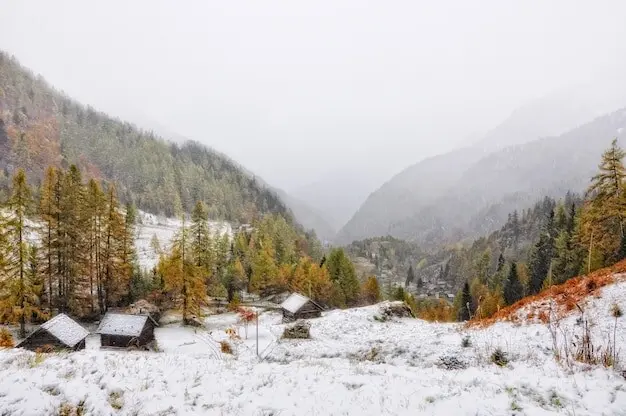
Comfort requires choreography: sun captured by wood and stone, heat held by mass yet released on cue, and fresh air slipped in without rattling doors. Interiors glow with low winter light, shutters temper harsh summers, and finishes invite bare hands. When details elevate daily rituals—drying boots, reading by a stove, welcoming neighbors—high country living becomes less about braving weather and more about savoring seasons as intimate companions.

Stoves, Mass, and Gentle Evenings

Masonry stoves sip fuel and return steadiness, warming benches long after flames sigh out. Stone foundations and thick internal walls store daytime gains, releasing them at bedtime without drama. Timber interiors soften acoustics, keeping conversations close. In shoulder seasons, a single firing guards mornings from chill. What rituals center your evenings—tea, carving, journaling? Share them; comfort grows richer when stories curl around warming brick.

Windows, Shutters, and Mountain Light

Deep reveals cradle panes against winds, while louvered shutters tune brightness, privacy, and protection from driven snow. Vent slots breathe just enough, keeping sills dry. Orientation frames long valleys or quiet courtyards, depending on temperament. Repairable hardware ages gracefully, never demanding replacement for vanity alone. Readers, send photos of your favorite window corners; these small theaters often stage the day’s most generous performances.

The Winter Scarf That Saved a Beam

During a whiteout, a hidden leak swelled a ridge purlin. We cribbed the ceiling, breathed quietly, and cut a clean scarf joint as snow hissed against slate. The new splice nestled like two hands clasped. Months later, spring sun found the roof untroubled. Courage in cold is rarely dramatic—mostly pencils sharpened twice, kettle boiling, and friends arriving before the second cup cools.

A Wall Rebuilt by Many Hands

After a slide nudged a terrace, neighbors sorted stones by size and bedding, sharing lunch on improvised benches. A child discovered a fossil, which became the new keystone by unanimous, delighted vote. The wall rose sturdier and kinder to runoff, its curve softened for future thaw. That afternoon taught more engineering than diagrams, reminding us resilience lives where patience and laughter overlap generously.
Veltovexosentoravomirateli
Privacy Overview

This website uses cookies so that we can provide you with the best user experience possible. Cookie information is stored in your browser and performs functions such as recognising you when you return to our website and helping our team to understand which sections of the website you find most interesting and useful.